
The Duty of a Clergyman to Marry
Pride and PrejudiceMr. Collins's absurd reasoning for marriage, citing Lady Catherine's advice and his own duty, satirizes the idea that clergymen should marry for reasons other than love.
increasing Bearing strength in each event
 decreasing
Bearing strength in each eventdecreasingCollins's Reasons for Marriage
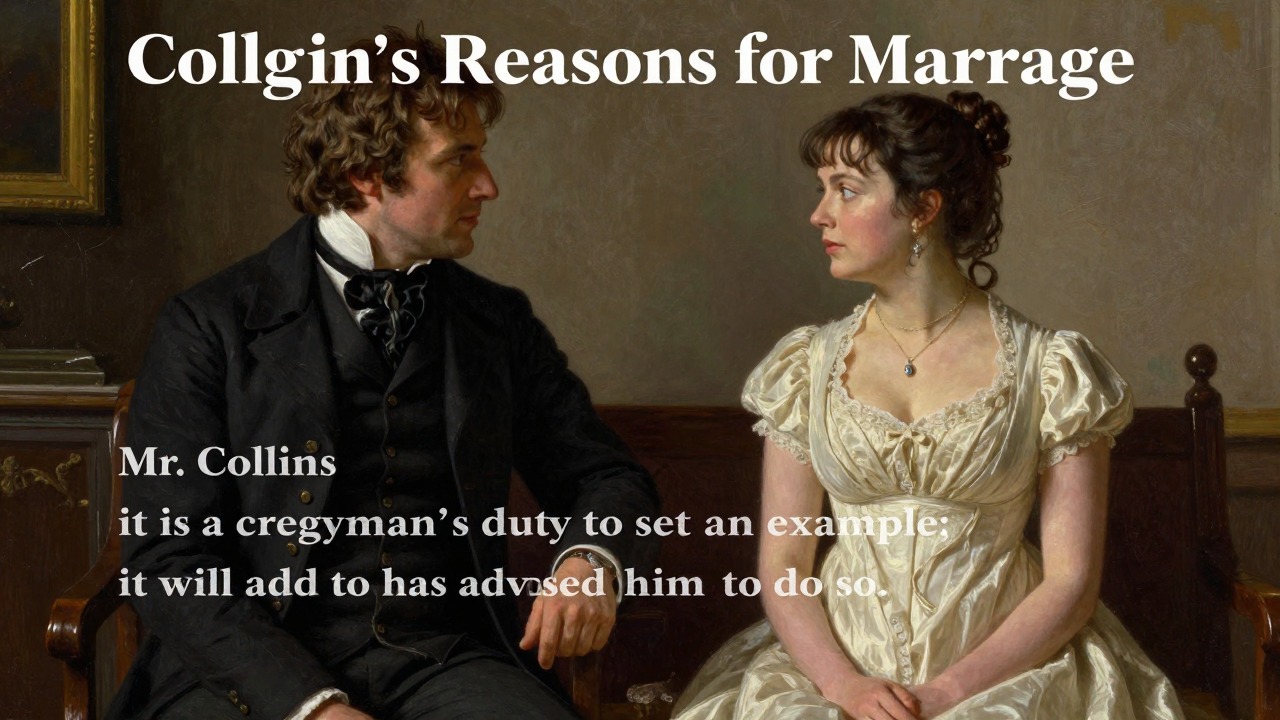
Collins's Reasons for Marriage
The Three Reasons
Mr. Collins lists three reasons for marrying: it is a clergyman's duty to set an example; it will add to his happiness; and Lady Catherine has advised him to do so. These reasons are all external and absurd.
The Satire
Austen satirizes the idea that marriage is a duty to be performed at the behest of a patron. Collins's reasons are comically self-serving and devoid of love.
The Contrast with Darcy
Darcy's proposal, though flawed, is driven by genuine love. Collins's proposal is a parody of the marriage market. The theme is that marriage should be based on mutual affection, not duty or convenience.
The Satire of Clerical Duty
The Satire of Clerical Duty
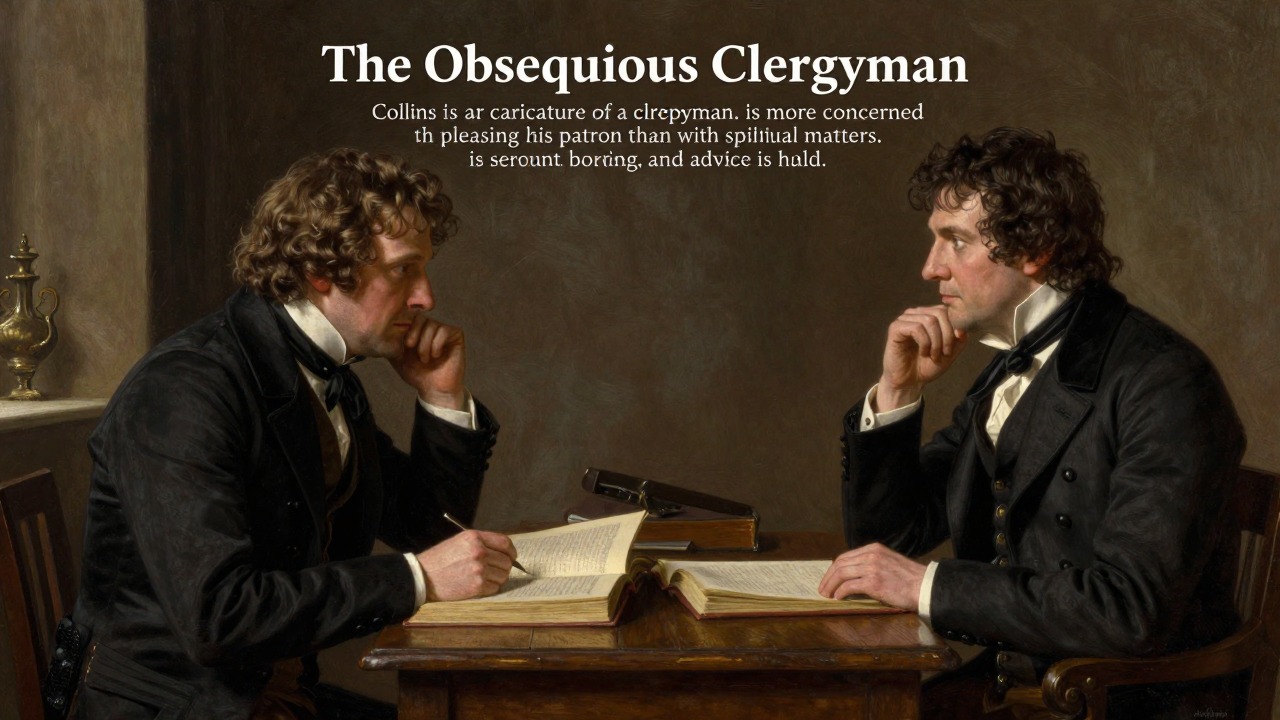
The Obsequious Clergyman
Collins is a caricature of a clergyman. He is more concerned with pleasing his patron than with spiritual matters. His sermons are boring, and his advice is hollow.
The Mockery of Formality
Collins's formal manners, his quoting of Fordyce's Sermons, and his insistence on duty all serve to mock the clergy of the time. Austen criticizes those who use religion for social climbing.
The Corrective
Through Collins, the novel suggests that a clergyman's true duty is to be genuine and compassionate, not to follow the dictates of a patron. The theme is a critique of institutionalized religion.
During his proposal to Elizabeth
Throughout Collins's visit
